
Image CompressorPRO
WebP, JPG, PNG & AVIF · 100% Private In-Browser Optimization
How It Works
Simple 4-step process to optimize your images
1. Upload
Drag & drop or click to upload your images
2. Adjust
Choose quality, format, and resize options
3. Compress
Click compress and watch the magic happen
4. Download
Download individually or all as ZIP
Original
2.5 MB
Compressed
625 KB
🎯 Typical Compression Results
• JPEG images: 50-70% reduction
• PNG images: 60-85% reduction
• WebP format: Best compression with quality retention
Choose images or drag & drop
Fast, private compression. Max 50MB each · Up to 10 images at once.
Compression Settings
webpTrusted by 250,000+ Users Worldwide
Real reviews from real people
Sarah Johnson
✓ VerifiedE-commerce Store Owner • Austin, Texas
"I've been using this image compressor for my product photos. The WebP conversion saved me over 60% storage space and my website loads twice as fast now! Best free tool I've ever used."
Michael Chen
✓ VerifiedWeb Developer • San Francisco, CA
"As a developer, I need to optimize images for my clients' websites daily. This tool is a lifesaver! The batch compression and ZIP download feature saves me hours of work. Quality is amazing even at 70% compression."
Emily Rodriguez
✓ VerifiedDigital Marketer • Miami, Florida
"Finally found a compressor that doesn't destroy image quality! My social media graphics look crisp even after compression. The privacy aspect is huge - no upload means my client's images stay secure."
Latest from Our Blog
Tips, guides, and tutorials for image optimization
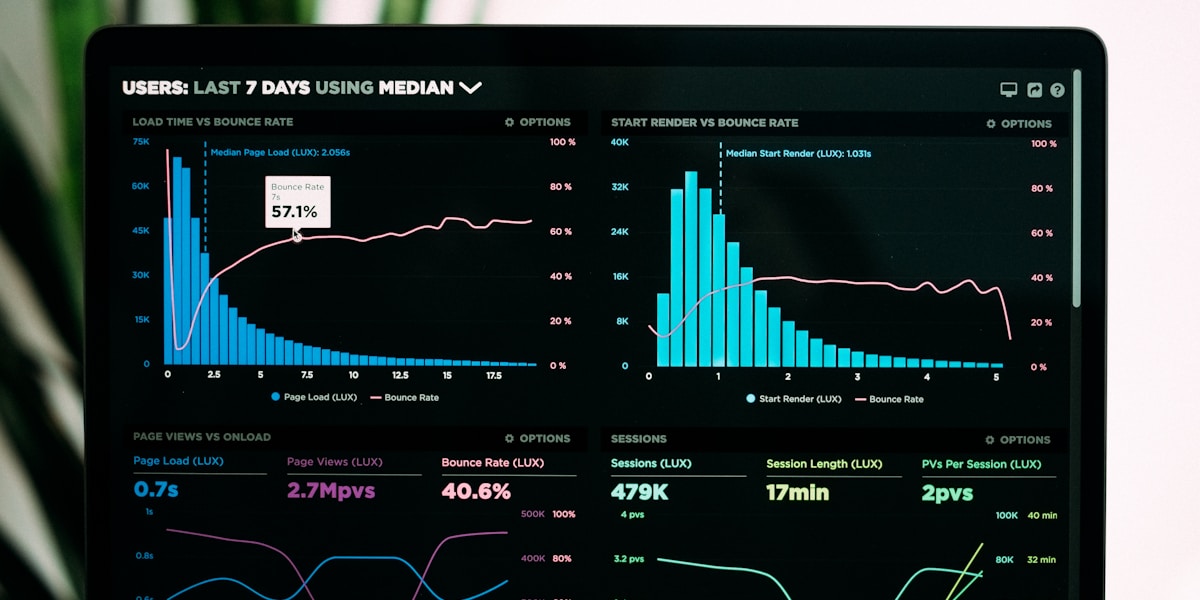
How to Optimize Images for Web Performance in 2026: The Ultimate Guide
Master modern image optimization techniques for peak web performance: next-gen codecs (AVIF, WebP), LCP acceleration, responsive picture elements, lazy loading, and edge CDN delivery.

WebP vs JPEG vs PNG vs AVIF: The Ultimate Image Format Showdown (2026 Benchmarks)
Comprehensive 2026 image format showdown: compare WebP, AVIF, JPEG, and PNG across compression ratios, transparency, visual fidelity, and browser performance.

Why Image Compression is Crucial for SEO & Core Web Vitals: Ranking Factors Explained
Discover how image compression directly impacts Google organic rankings, Core Web Vitals (LCP, INP, CLS), crawl budget efficiency, and mobile search visibility.

Lossy vs Lossless Image Compression: Technical Differences, Mathematics & Use Cases
Understand the mathematical and practical differences between lossy and lossless image compression. Learn when to preserve exact bits vs when to discard imperceptible data.
Frequently Asked Questions
Trusted & Verified
Your security is our priority
Why Compress Images?
The importance of image optimization for modern web
🚀 Faster Website Loading
Smaller images load faster, improving user experience and SEO rankings. Compressed images can reduce page load time by 50-80%.
💾 Save Storage Space
Reduce storage costs on your servers and devices by up to 80%. Compress thousands of images and save gigabytes of space.
📧 Email Ready Attachments
Compressed images fit within email attachment limits easily. Send multiple high-quality images without hitting size limits.
🔒 100% Privacy First
All compression happens locally in your browser - no upload, no servers, complete privacy. Your images never leave your device.
💰 Reduce Bandwidth Costs
Smaller file sizes mean less data transfer. Save money on hosting and CDN costs with optimized images.
📱 Better Mobile Experience
Optimized images load faster on mobile networks, keeping users engaged and reducing bounce rates.
Expert Pro Tips
Professional techniques for optimal compression
Use WebP format for best compression
WebP provides 25-35% better compression than JPEG at same quality. It's supported by all modern browsers.
Quality 80 is the sweet spot
Most images look identical to original at 80% quality but are 50-70% smaller. For text/images, use 90%+.
Resize before compressing
Resizing to 1920px width or less can dramatically reduce file size. Most screens don't need 4000px images.
Remove metadata (EXIF)
Camera data, GPS coordinates, and other metadata can add 2-15% file size with zero quality benefit.
Use lossless for graphics
PNG and WebP lossless preserve perfect quality for logos, screenshots, and text graphics.
Batch compress multiple images
Process dozens of images at once. Our tool supports multiple files up to 50MB each.
Image Format Guide
Choose the right format for your needs
| Format | Best For | Compression | Use Case |
|---|---|---|---|
| JPEG / JPG | Photographs, complex images with gradients | Lossy, 50-80% reduction | Product photos, real estate, nature photography |
| WebP | Web images, all types (best overall) | Lossy/Lossless, 70-90% reduction | Blog posts, e-commerce, social media |
| PNG | Logos, graphics with transparency | Lossless, 40-60% reduction | Company logos, UI elements, screenshots |
| AVIF | Modern web, best compression ratio | Lossy/Lossless, 80-95% reduction | Advanced web applications, high-traffic sites |
💡 Recommendation: For most web images, use WebP format. It offers the best balance of quality and file size. Use JPEG for photographs, PNG for graphics with transparency.
Image Compression by the Numbers
Most images can be significantly compressed without visible quality loss
Compressed images load much faster, improving user experience
Reduce hosting and CDN costs with optimized images
Speed matters - 89% of users choose faster websites
Why Image Compression Matters
Image compression is the process of reducing the file size of an image without significantly affecting its visual quality. This is crucial for web performance because large images are the #1 cause of slow-loading websites. Studies show that a 1-second delay in page load time can result in a 7% reduction in conversions, 11% fewer page views, and a 16% decrease in customer satisfaction.
Our image compressor uses advanced algorithms to optimize JPEG, PNG, and WebP images directly in your browser. All processing happens locally - your images never leave your device, ensuring complete privacy. Whether you're a web developer, designer, content creator, or business owner, compressing your images will improve your website speed, SEO rankings, user experience, and save storage costs.
Loading Related Image Tools...