
PNG (Portable Network Graphics) is the gold standard raster format for graphics requiring lossless compression, pixel-perfect sharp text, and multi-level alpha channel transparency. While JPEG discards high-frequency pixel data to minimize file size, PNG preserves every individual pixel value using DEFLATE compression.
When converting PNG assets into PDF format—whether for client brand guidelines, UI/UX portfolio case studies, architectural blueprints, or software documentation—preserving that pristine pixel clarity is non-negotiable. Using our free Image to PDF converter, you can convert PNG files into crisp, professional PDFs without unwanted raster downsampling or compression artifacts.
🎯 Why PNG Excels for Digital Document Creation
- • Lossless Bit-for-Bit Encoding: Guarantees zero compression noise or macroblocking around text characters.
- • 8-Bit Alpha Transparency: Enables clean anti-aliasing against any PDF page background color.
- • High-Contrast Screenshots: Keeps software code blocks, UI buttons, and schematics razor-sharp.
- • Transparent Cutouts: Isolate subjects with our AI Background Remover before compiling into your PDF presentation.
Preserving Alpha Channel Transparency in PDF Output
The standard PDF specification natively supports transparent graphic elements through the PDF 1.4+ transparency imaging model (Soft Masks). However, lower-quality cloud converters often flatten PNG transparency onto a harsh solid white or black background, ruining brand logos and layered graphics.
Our client-side conversion engine properly embeds PNG alpha channels into the PDF stream, allowing transparent assets to blend seamlessly onto designated page backdrops without jagged pixel halos or ugly background squares.
Typography & Screenshot Clarity: PNG vs JPEG
When software screenshots or UI designs are converted using lossy JPEG compression, Discrete Cosine Transform (DCT) algorithms create noticeable mosquito noise around high-contrast typography edges. Converting via PNG preserves crisp glyph vectors:
✅ PNG in PDF (Lossless)
- • Sharp, readable code and UI text at all zoom levels.
- • Pure solid colors with zero compression banding.
- • Transparent borders preserved on marketing cards.
❌ JPEG in PDF (Lossy)
- • Blurry halos around 12px–14px body text.
- • Color artifacts in flat background areas.
- • Strips all transparency, replacing with solid white.
Tool Comparison: In-Browser vs Cloud Converters
When selecting a converter for high-resolution PNG graphics, evaluate privacy, quality retention, and batch limits:
- DailyTool Image to PDF: Client-side WebAssembly conversion. Files are never uploaded over the network, guaranteeing 100% privacy, zero quality downsampling, and unlimited batching.
- iLovePDF: Popular for general PDF workflows, but uploads graphics to remote cloud servers with batch limitations on free accounts.
- Smallpdf: Offers a polished cloud interface, restricted to two free operations per day for non-paying users.
- Adobe Acrobat Online: Enterprise-standard engine requiring user account registration and cloud transmission.
Color Space Management: sRGB vs CMYK Print Gamuts
Digital PNG files are authored exclusively in the sRGB color space. When compiling a PDF intended for commercial offset or digital printing, be aware of color gamut constraints:
- Digital & Screen Distribution: Keep PNGs in standard sRGB. The PDF will render vibrant neon greens and saturated blues across all computer monitors and mobile screens.
- Commercial CMYK Printing: CMYK ink mixtures have a narrower color gamut. Extremely bright RGB hues may shift slightly darker when printed on paper.
Step-by-Step Quality-Preserving Conversion Workflow
- Clean Assets: If you need transparent product cutouts, isolate them with our AI Background Remover.
- Upload PNGs: Drag your transparent or high-res PNGs into DailyTool Image to PDF.
- Select "Contain" Fit Mode: Choosing "Contain" ensures your graphics are never stretched or cropped.
- Download PDF: Download your lossless PDF document ready for client presentation or archiving.
Convert PNG to PDF with Perfect Quality
Preserve alpha transparency, sharp typography, and full color depth in your browser for free.
🖼️ Convert PNG to PDF NowBatch Workflows for Design Systems & Portfolios
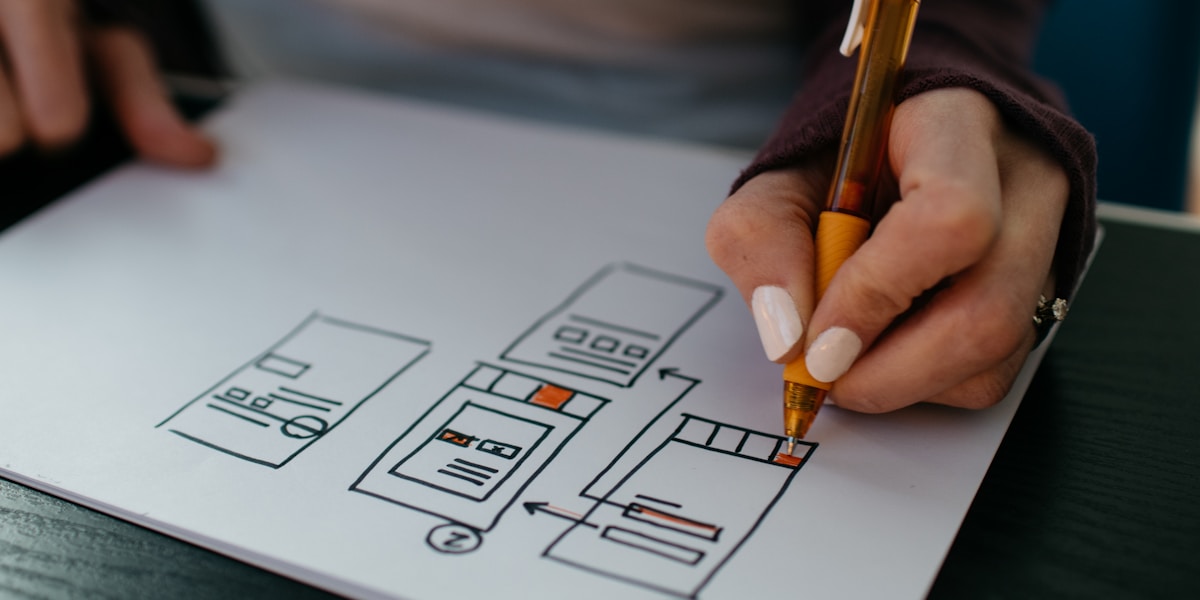
Designers managing design systems, UI wireframes, and component kits often need to deliver consolidated PDF pitch decks. With DailyTool, you can drag 50+ transparent PNG artboards into the batch converter and compile a multi-page PDF in seconds. If the final PDF file is too large for email, quickly optimize it using our PDF Compressor.
Frequently Asked Questions
Will PNG transparency turn black in the converted PDF?
No. Our WebAssembly engine properly parses the PNG alpha channel, maintaining transparency against the PDF page canvas without ugly black borders.
Is converting PNG to PDF lossless?
Yes. When using "Contain" fit mode with DailyTool, original pixel values are embedded into the PDF structure without downsampling or destructive re-encoding.