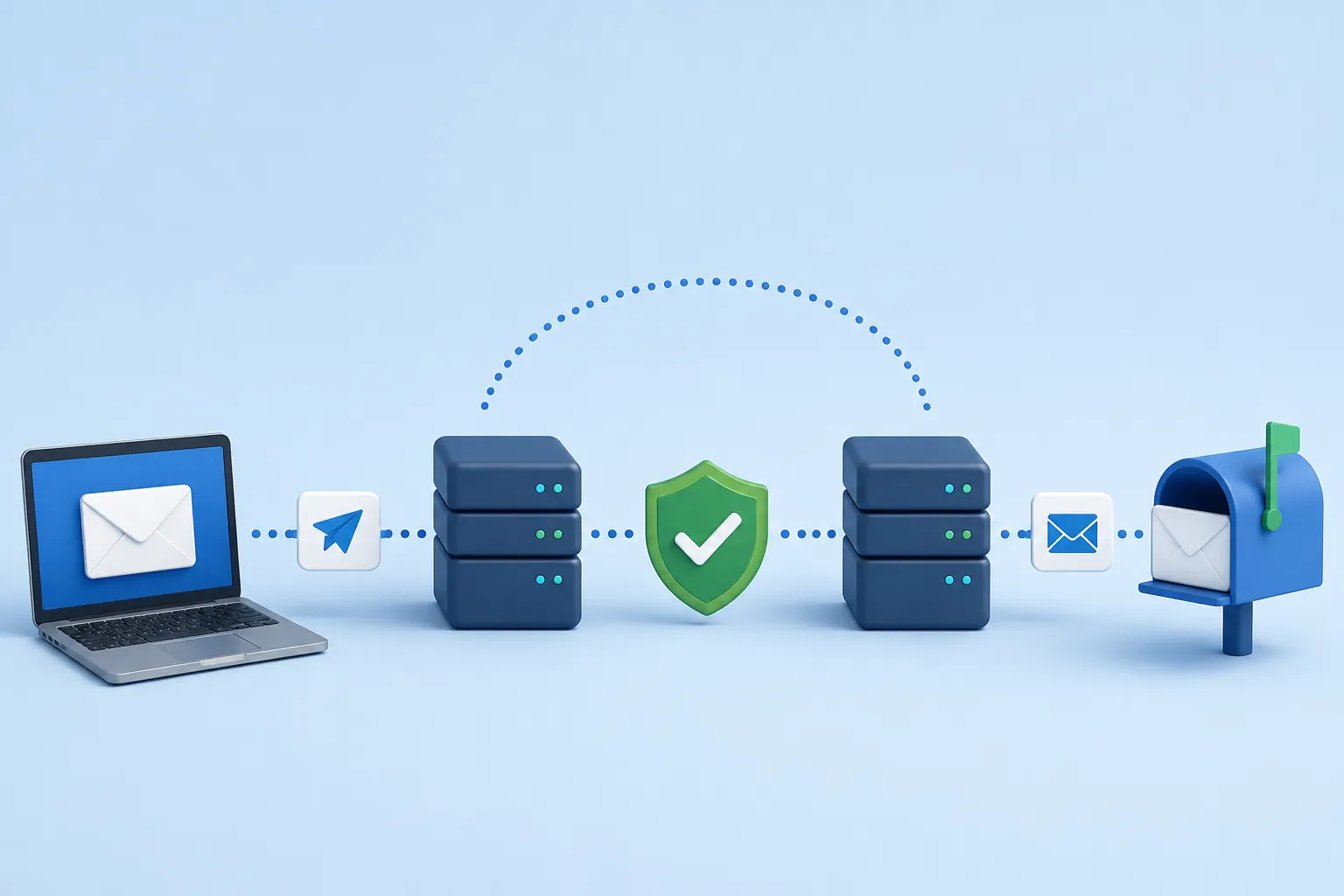

What is a Spam Trap?
A spam trap (or honeypot) is a valid, working email address created or maintained specifically to catch spammers. It does not belong to a real person, it is not used for communication, and it never opts-in or signs up for any newsletters.
Because a spam trap never opts-in to anything, the only way it can end up on your mailing list is if you acquired the email address illegitimately (e.g., buying lists, scraping the web) or if you have zero list hygiene.
The Three Types of Spam Traps
Anti-spam organizations (like Spamhaus or Sorbs) and major ISPs use different types of traps to identify different types of bad behavior:
- Pristine Traps: These are brand new email addresses that have never been used by a human. They are hidden invisibly in the background code of websites. Only automated scraping bots will find them. If you email a pristine trap, you are immediately flagged as a malicious spammer who uses harvested lists.
- Recycled Traps: These are old, abandoned email addresses (like a Yahoo account someone hasn't logged into for 5 years). The ISP eventually disables the account (causing it to hard bounce), but after a year of bouncing, they silently reactivate it as a trap. If you email a recycled trap, it proves to the ISP that you are not cleaning your lists and you ignore hard bounces.
- Typo Traps: Emails like `john@gmial.com` or `user@yaho.com`. ISPs set up these fake typo-domains specifically to catch senders who don't use double opt-in to verify user intent.
The Devastating Consequences
Hitting a spam trap is not like a normal bounce. Bounces are a normal part of business; spam traps are a severe security violation.
If you hit a Pristine Trap managed by an organization like Spamhaus, your sending IP address and your root domain can be immediately added to a global DNS blacklist (DNSBL). Once you are on a major blacklist, Microsoft, Google, and Apple will route 100% of your emails directly to the spam folder, or reject them entirely at the gateway. Your deliverability drops to zero overnight.
How to Avoid Spam Traps
Spam traps are designed to look like perfectly normal email addresses. Because they are technically valid, active inboxes, it is impossible for any email validator to identify 100% of pristine spam traps.
The only way to avoid them is through strict operational hygiene:
- Never Buy Lists: Purchased lists are almost always seeded with pristine traps.
- Use Double Opt-In: A spam trap cannot click a confirmation link in an email. Double opt-in guarantees 0% spam traps.
- Scrub Often: Regular list cleaning removes typos and identifies known recycled trap domains before you hit them.
- Sunset Inactive Users: If you stop emailing people who haven't opened an email in 6 months, you will never accidentally hit a Recycled Trap, because recycled traps never open emails.