What is a Disposable Email?
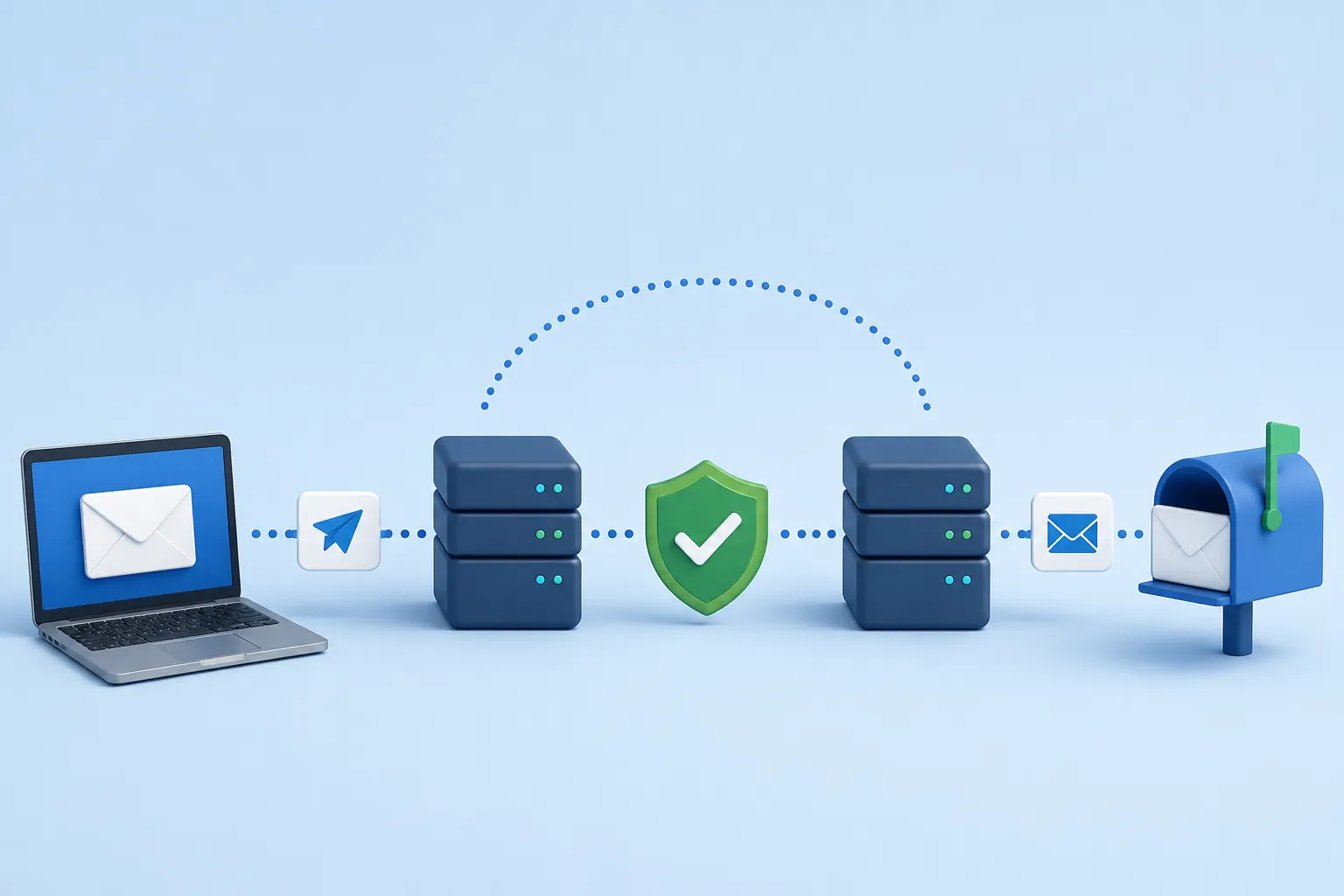
A disposable email address (DEA) is a temporary, throwaway email account that users create to sign up for services without revealing their primary, personal email address. Services like Mailinator, 10MinuteMail, and Guerrilla Mail provide these addresses with zero registration required.
Typically, these inboxes have a lifespan ranging from 10 minutes to a few days. Once the time limit expires, the inbox is destroyed, and any future emails sent to that address will result in a hard bounce.
The Mechanics of Temporary Emails
There are generally three types of disposable emails you will encounter:
- Throwaway Domains: These are domains registered explicitly to host temporary inboxes. The domains rotate frequently to avoid blacklists.
- Forwarding Aliases: Services like Apple's "Hide My Email" or SimpleLogin create unique, random aliases that forward to a user's real inbox. While not strictly "throwaway," users can disable them instantly, resulting in a sudden hard bounce.
- Subaddressing: Also known as plus addressing (e.g., `user+spam@gmail.com`). While not a true DEA, users often use this to filter and delete marketing emails en masse.
Why Do People Use Them?
Understanding user intent is crucial. Users typically employ disposable emails for a few specific reasons:
- Avoiding Spam: Consumers are highly protective of their primary inboxes. If your site has a forced newsletter signup, they will use a DEA to bypass it.
- Privacy & Security: To hide their identity from untrusted sites or apps that they suspect might sell their data.
- Exploiting Free Trials: To exploit "freemium" models by creating multiple accounts to get unlimited free trials or referral bonuses. This is a direct loss of revenue for SaaS companies.
The Silent Killer of Sender Reputation
While great for users, disposable emails are a nightmare for businesses and marketers. They cause severe, compounding damage to your email infrastructure:
- High Hard Bounce Rates: Because these emails expire quickly, any subsequent marketing emails you send will hard bounce. If your hard bounce rate exceeds 2%, major Inbox Service Providers (ISPs) like Gmail and Outlook will begin routing your emails directly to the spam folder.
- Wasted Financial Resources: You pay your Email Service Provider (ESP) like Mailchimp or SendGrid based on the size of your list or the volume of emails sent. You are literally paying to send emails to a black hole.
- Skewed Analytics: Fake users ruin your conversion metrics. If 20% of your list consists of DEAs, your open rates, click-through rates, and overall engagement metrics will look artificially low, making it impossible to accurately measure marketing ROI.
- Spam Trap Risks: Some disposable email domains are eventually abandoned and converted into "recycled spam traps" by anti-spam organizations. Emailing these will instantly blacklist your domain.
How to Protect Your Database
The absolute best way to protect your business is to block disposable emails at the point of entry. Do not wait until your marketing team sends an email campaign.
By integrating a real-time Email Validation API into your signup forms, you can instantly check the domain against a continuously updated database of known disposable email providers. If a user tries to use @mailinator.com, your form can gently prompt them to "Please use a valid business or personal email address."
Using our Free Email Validator, you can instantly flag and reject DEAs before they ever touch your database.